The kitchen, understood as a site of gut-health practice, is neither a laboratory nor a wellness resource. It is the room where the accumulated decisions about what to buy, how to prepare it, and how consistently to do so translate into a dietary pattern. That pattern, over weeks and months, shapes the composition of the gut microbiome — the community of microorganisms that inhabit the digestive tract and whose diversity, according to a growing body of nutritional research, is one of the more reliable indicators of overall gut function.
Why Microbiome Diversity Matters in Everyday Context
Gut microbiome research has expanded substantially over the past decade. Researchers now understand that a diverse microbiome — one composed of many different species of microorganisms — is generally associated with more robust digestive function and greater resilience in the face of dietary disruption. Conversely, a low-diversity microbiome, often associated with a diet high in ultra-processed foods and low in plant variety, is linked in published research to a narrower range of metabolic functions.
For readers with a practical rather than scientific orientation, the key takeaway from this research is straightforward: eating a wide variety of plant foods is the most accessible way to support microbiome diversity at the level of everyday cooking. The gut microbiome feeds primarily on the dietary fibre and resistant starches that the human digestive system cannot itself break down. Different fibre types feed different microbial populations, which is why variety — across vegetable families, legume types, grain forms, and fruit categories — matters more than the total quantity of any single fibre source.
A 2022 study published in the journal Cell found that a diet high in fermented foods over ten weeks produced greater microbiome diversity than a diet high in plant fibre alone, though the two approaches showed different effects and the researchers concluded that combining both was likely to be optimal. This finding has since been cited widely in nutrition writing and represents a useful orientation for readers constructing a gut-supportive dietary pattern.
Fermented Foods: The Kitchen Staples
Fermented foods are, broadly, foods that have been acted upon by microorganisms — typically bacteria or yeasts — that convert sugars into acids, alcohols, or gases. This process changes the flavour, texture, and nutritional profile of the food and, in many cases, introduces live microorganisms into the final product. When consumed, these live cultures may contribute to microbiome diversity, though the research on exactly which strains confer which effects in human populations remains an active area of investigation.
The kitchen-practical fermented foods — those with sufficient evidence of live culture content and sufficient accessibility to form part of a regular dietary pattern in the UK — include: natural yoghurt and kefir (dairy and non-dairy), raw sauerkraut and kimchi, unpasteurised miso and tempeh, kombucha, and traditional sourdough bread. Each of these carries a distinct flavour profile and a distinct place in meal composition.
Natural yoghurt is the most widely consumed fermented food in the UK diet and the one for which the evidence base on microbiome contribution is most established. A full-fat natural yoghurt, served without added sugar, at breakfast alongside whole grain and fruit satisfies multiple gut-health priorities simultaneously: live cultures, diverse fibre, and minimal ultra-processing. Kefir — a fermented milk drink with a thinner consistency and a broader range of bacterial strains than most commercial yoghurts — is increasingly available in UK supermarkets and represents a convenient upgrade for readers seeking greater microbiome diversity from a single ingredient.
"Different fibre types feed different microbial populations, which is why variety — across vegetable families, legume types, grain forms, and fruit categories — matters more than total quantity of any single source."
Sauerkraut, Kimchi, and the Raw-Ferment Principle
Raw fermented vegetables — sauerkraut, kimchi, and their less widely known equivalents — represent the other major category of live-culture fermented food accessible through ordinary UK retail channels. The key distinction is raw versus heat-processed: pasteurised or heat-treated versions of these products, while they retain the flavour and some nutritional value of the fermentation process, do not contain live cultures. Labels on sauerkraut and kimchi sold in the UK often do not make this distinction explicit, and readers seeking live-culture benefits should source products stored in the refrigerated section and labelled as unpasteurised or raw.
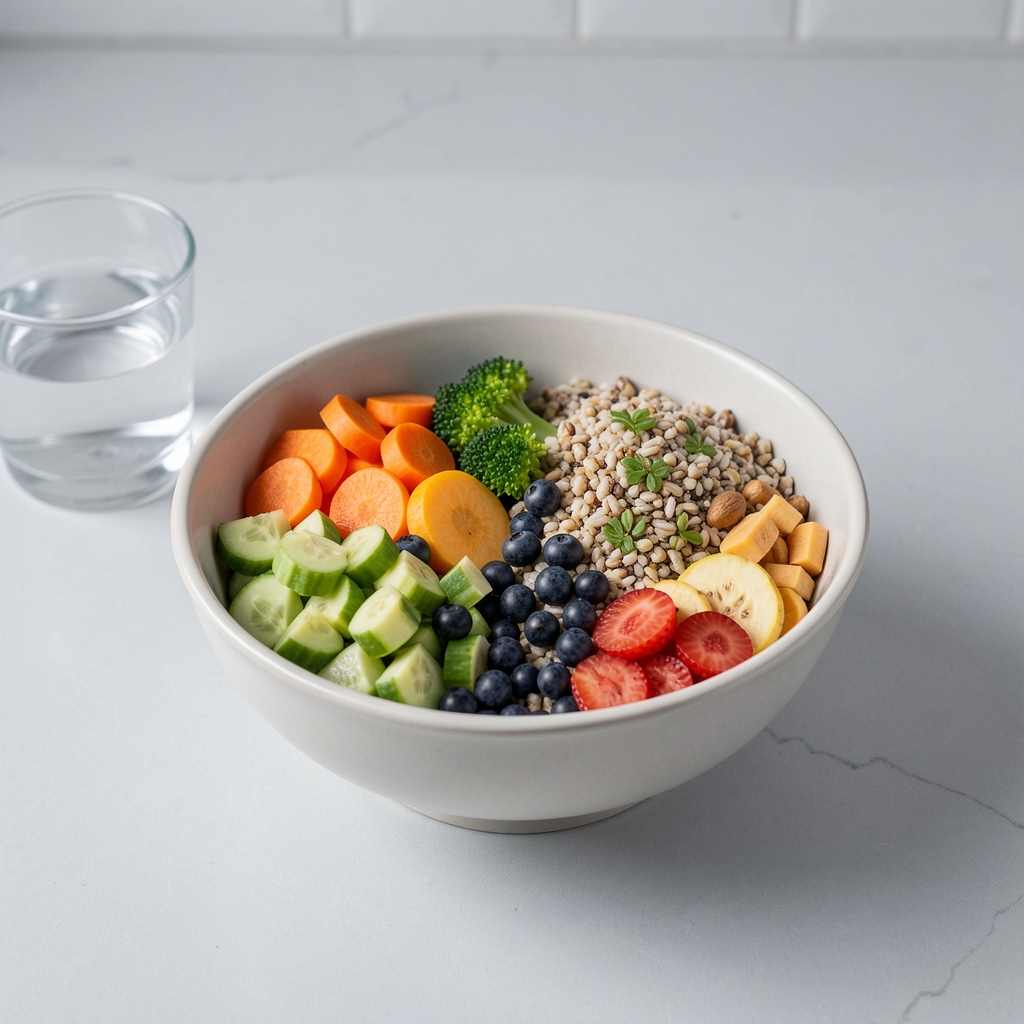
The practical application of raw-ferment vegetables in a gut-friendly kitchen is primarily as condiment-scale additions to otherwise standard meals. Two tablespoons of sauerkraut alongside a grain bowl, or a spoonful of kimchi as a side to fried eggs on toast, represents a sensible incorporation pattern — sufficient to introduce live cultures without requiring a structural change to the meal format.
Building Fibre Diversity Into Weekly Cooking
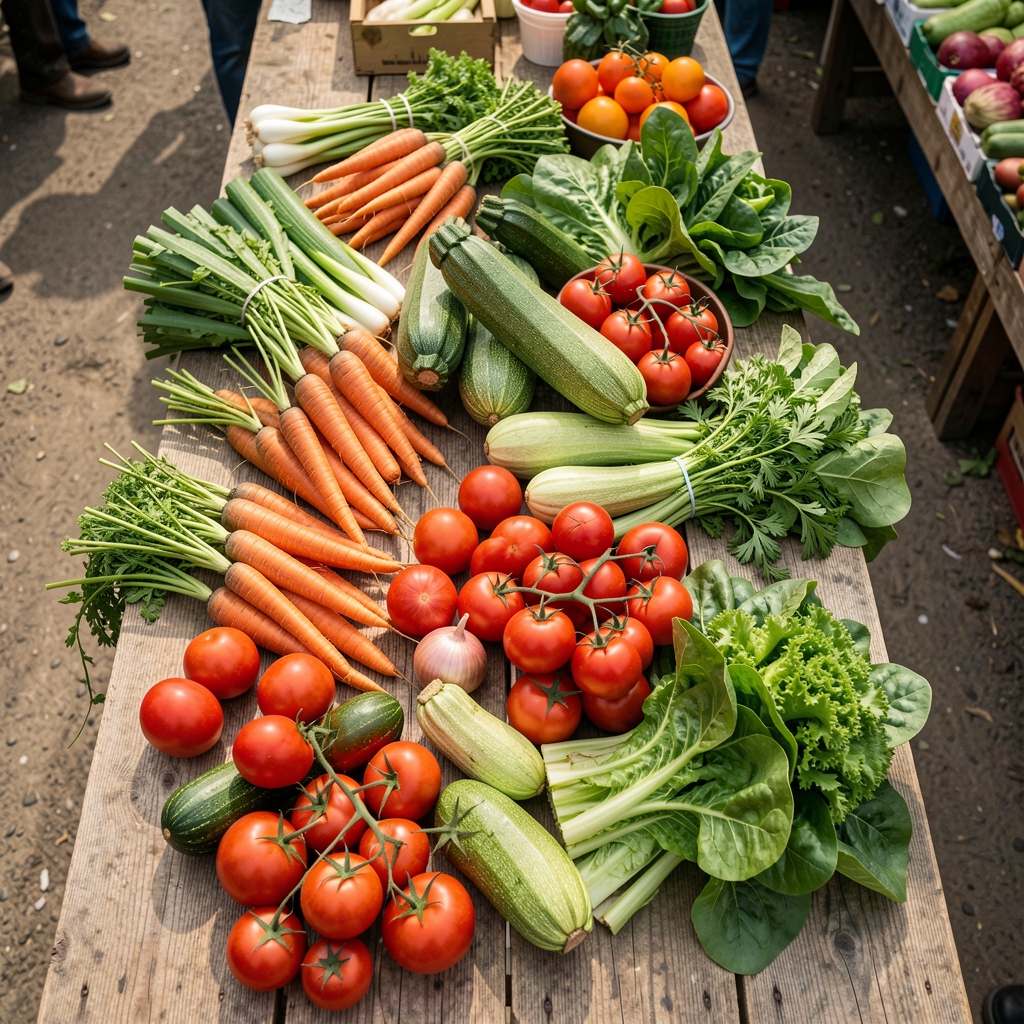
Fibre diversity — consuming a wide range of fibre types from different plant sources — is a concept that translates, in kitchen terms, into cooking with variety across plant food families. The cruciferous vegetables (broccoli, cauliflower, kale, cabbage, Brussels sprouts) carry different fibre types and fermentable compounds than the allium family (onions, leeks, garlic), which in turn differ from the legume family (lentils, chickpeas, black beans, cannellini) or the whole grain family (oats, barley, farro, buckwheat).
A useful practical target, derived from the work of nutritional epidemiologist Tim Spector and colleagues at King's College London, is consuming thirty or more distinct plant foods per week. This figure sounds formidable but becomes more manageable when plant foods are counted inclusively: herbs and spices each count as distinct plant inputs, nuts and seeds count, and different varieties of the same vegetable (red onion versus white onion, for instance) count separately. A well-stocked kitchen — one that maintains a rotation of legumes, a variety of whole grains, a mixture of leafy and root vegetables, a selection of nuts and seeds, and several fresh herbs — can routinely reach this target without extraordinary effort.
Weekly meal planning (discussed in the companion article on seasonal whole foods and weekly meal rhythms) is the most practical structural mechanism for ensuring fibre diversity. When a weekly plan deliberately incorporates three or four different legume applications, two or three different whole grain bases, and a rotation of at least five vegetable families, the thirty-plant target becomes a consequence of planning rather than a conscious daily effort.
Sourdough as a Fermented Whole Food
Sourdough bread occupies a specific and frequently misunderstood place in gut-friendly cooking. Traditional sourdough — made with a live starter culture of wild yeasts and lactic acid bacteria, with a slow fermentation period of twelve hours or longer — differs substantially from commercial bread, and also from bread labelled as sourdough that has been made with added vinegar or flavouring agents rather than through genuine long fermentation.
The long fermentation process of authentic sourdough partially breaks down the phytic acid present in wheat, which improves the bioavailability of the minerals naturally present in the grain. The bread itself, particularly when made with a whole-grain or high-extraction flour, carries meaningful fibre content. Whether it delivers live cultures in significant quantity to the gut — given that the baking process renders the starter cultures inactive — is an open question, but its overall nutritional profile relative to standard commercial bread is measurably superior.
For readers who bake at home, maintaining a sourdough starter and baking a loaf weekly represents a kitchen practice that connects the fermentation principle with everyday bread consumption. For those who prefer to purchase, the distinction to observe is simple: authentic sourdough is made with flour, water, and salt only, with a live starter, and will display an irregular open crumb structure and a moderately sour flavour profile.
Practical Kitchen Habits for Gut-Friendly Cooking
The gut-friendly kitchen is not a specialised kitchen. It is an ordinary kitchen in which a small number of deliberate habits have been incorporated over time. The most impactful of these habits — those that meaningfully change the fibre diversity and fermented-food content of the weekly dietary pattern — can be summarised as a short inventory of practice changes rather than a comprehensive dietary overhaul.
Keeping a rotation of three or four dried legumes in the cupboard ensures that a protein-and-fibre-rich component is always available without a dedicated shopping trip. Cooking a batch of whole grains — brown rice, pearl barley, or farro — at the beginning of the week provides a versatile base for lunch assemblies and grain salads across several days. Stocking natural yoghurt or kefir routinely at breakfast and reserving a refrigerated jar of sauerkraut as a standing condiment are low-friction additions that contribute to the fermented-food dimension of the week's intake without requiring recipe planning.
Fresh herbs — parsley, coriander, dill, mint, tarragon — are individual plant-food contributions that cost very little in volume but count toward the thirty-plant diversity target. The habit of finishing a dish with a handful of fresh herbs, or building salads with two or three herb varieties rather than one, is the kind of incremental diversity accumulation that, across a week, produces a meaningfully broader phytonutrient and fibre range than the same dishes without herbs.
- ▪ Microbiome diversity is supported most effectively by variety across plant food families, not by large quantities of a single fibre source.
- ▪ Live-culture fermented foods (natural yoghurt, kefir, raw sauerkraut, kimchi, miso) are distinct from their pasteurised equivalents in microbiome terms.
- ▪ A thirty-plant-per-week diversity target is achievable through deliberate weekly planning without exotic ingredients.
- ▪ Authentic sourdough bread — made with a live starter and long fermentation — carries a nutritional profile substantially different from commercial bread.
- ▪ Small standing kitchen habits (batch-cooked grains, a legume rotation, a refrigerated fermented condiment) accumulate into a consistently gut-supportive dietary pattern.